
Rest Isn’t Passive: Why Stillness Is Where Integration Happens
Why rest is essential for wellbeing – and why stillness matters.
Rest is often spoken about as a luxury, or something we turn to when life finally gives us permission.
But rest is not optional.
It is a foundational part of how the human nervous system stays regulated, resilient, and well.
Just as we don’t wait until we’re completely depleted to eat or sleep, rest is something that needs to be woven into life regularly, not postponed until everything else is done.
And yet, rest has another important role that is often overlooked.
After periods of stress, intensity, or emotional demand, rest is not just supportive – it is essential for integration.
Rest as maintenance, not reward
Everyday life places ongoing demands on the nervous system. Responsibilities, relationships, decision-making, and constant stimulation all require energy and regulation.
Regular rest supports:
- Nervous system balance
- Emotional steadiness
- Cognitive clarity
- Physical recovery
This kind of rest doesn’t need to be dramatic. It may be brief pauses, quiet moments, gentle movement, or reducing unnecessary input.
When rest is part of daily life, the system has a chance to recalibrate continuously, rather than operating in a constant state of strain.
This is rest as maintenance.
Why rest becomes critical after stress
During periods of acute stress – illness, injury, emotional upheaval, sustained pressure or the demands of daily life – the body and nervous system prioritise function.
We stay present.
We cope.
We do what needs to be done.
This is not a failure of self-care. It is an intelligent biological response.
During these times, deeper emotional and physiological processing is often temporarily deferred. The system holds things together so that we can respond effectively in the moment.
But once the stressor has passed, something important needs to happen.
The body needs space to complete what it postponed – the emotional, physiological, and nervous system responses that were set aside so we could stay present and functional.
This is where rest takes on a different role.
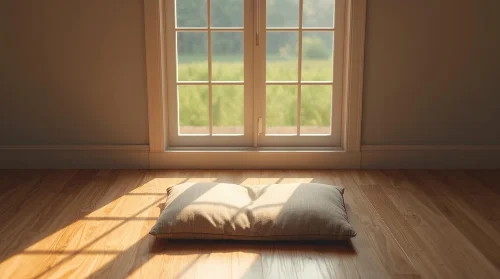
Integration: What happens when we allow stillness
Integration is the process by which experiences – emotional, physical, spiritual and psychological – are fully processed and resolved within the body and nervous system.
The subconscious does not integrate through thinking or analysing.
It integrates through stillness, safety, and reduced demand.
When genuine rest is allowed after intensity:
- Emotions that were held in check are released
- Stress responses complete themselves
- The nervous system returns toward regulation
- Insight and clarity emerge without effort
When this space isn’t available, the body doesn’t simply ‘move on’. What was held together during stress continues to look for resolution – sometimes quietly, sometimes urgently – influencing how we feel, how we respond, and how present we’re able to be in our lives.
Overtime, this can affect all aspects of our wellbeing in the short and long-term
This is why rest after stress is not indulgent.
It is how the system finishes the job.
What rest is – and what it isn’t
Not all forms of stopping allow integration to occur.
Many people believe they are resting when they are:
- Scrolling on their phone
- Watching content to distract themselves
- Staying busy in quieter ways
While these activities may feel relieving, they don’t always provide the conditions the nervous system needs to settle.
True rest involves:
- Reduced stimulation
- No decisions
- Minimal input
- An absence of performance
- Nothing to do, nowhere to be.
It is the kind of rest where nothing is being fixed, improved, or managed.
This is the stillness where integration becomes possible.
How to rest
Rest supports us in two important ways:
- ongoing rest helps maintain regulation and resilience
- intentional rest after stress allows integration and completion
When either is missing, the system compensates – often at a cost.
When both are present, the body doesn’t need to shout to be heard.
Rest doesn’t have to mean disappearing for days or withdrawing from life.
Often, it’s about changing how we’re with ourselves, rather than what we’re doing.
True rest is less about stopping completely, and more about reducing unnecessary demand.
It might look like this:
- Sitting or lying down without reaching for your phone
- Walking without a destination, pace, or outcome
- Allowing quiet without filling it with conversation or content
- Postponing decisions that don’t need to be made today
- Doing one thing at a time, slowly
- Letting your body decide when it’s had enough
Sometimes rest is physical.
Sometimes it’s emotional.
Sometimes it’s simply not having to be anything for a while.
The common thread is this:
nothing is being fixed, improved, or managed.
This is the kind of rest that allows the nervous system to soften – and when that happens, integration can occur naturally.
You don’t need to do all of these.
You don’t need to do them perfectly.
Even brief moments of this kind of rest can be deeply regulating.
An invitation
If you notice a tiredness that doesn’t lift with sleep, or a sense that something hasn’t quite settled yet, it may be worth asking:
- What has my system been holding together?
- Have I allowed time for integration?
- What kind of rest would truly support me now?
Rest isn’t passive.
It’s how the body completes what effort began.
And sometimes, allowing ourselves to land – regularly, and after intensity – is the most intelligent thing we can do.
Blessings,
Jenny