Are the chemicals in our everyday products affecting our health?
Are the chemicals in our everyday products affecting our health?
The chemicals we are exposed to through cleaning products, cosmetics, fragrances, plastics and personal-care products can affect our health in a number of ways, including through hormone disruption, respiratory irritation, skin sensitisation and other biological effects. The bigger concern is not simply one product used once, but the cumulative exposure created by using many different products, every day, over many years.
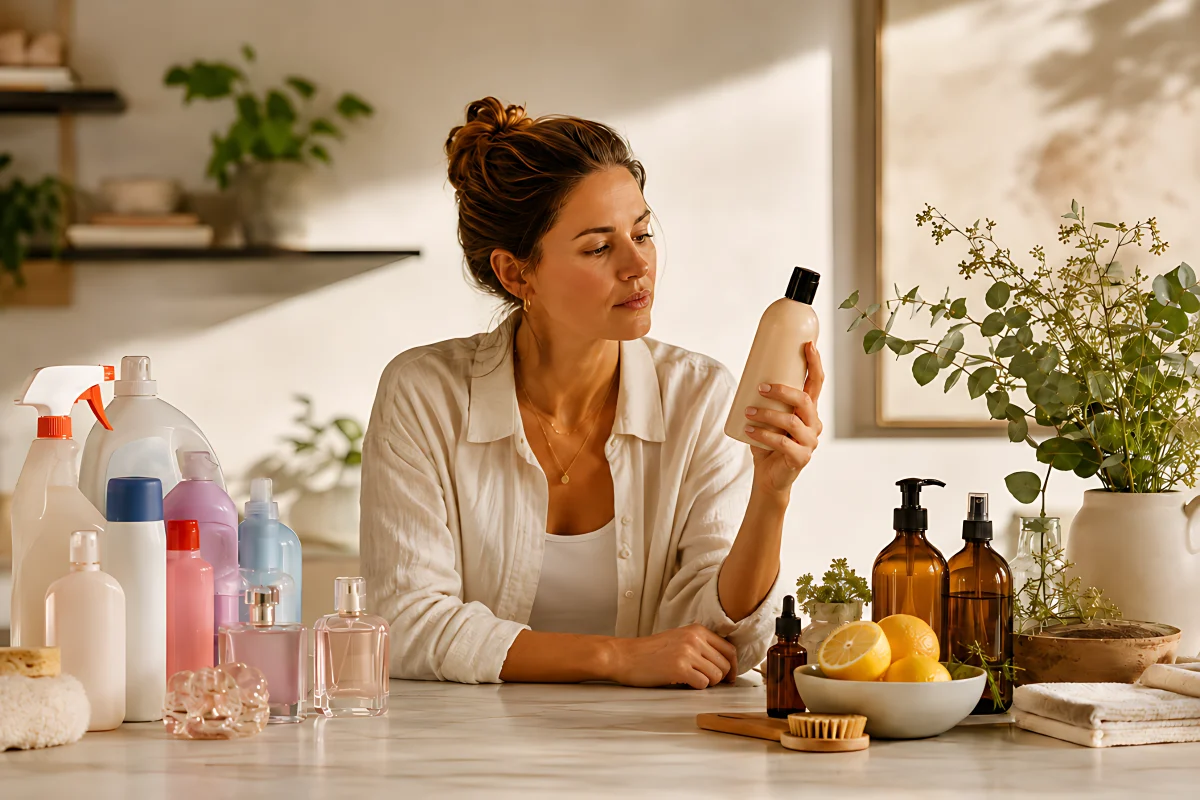
Before we have even finished breakfast, many of us have already used shampoo, conditioner, soap, deodorant, moisturiser, make-up, perfume and perhaps sunscreen.
Then there is laundry liquid, fabric softener, dishwashing detergent, surface sprays, air fresheners, candles and household cleaners.
We have become very accustomed to asking what is in our food. We read labels. We worry about preservatives, pesticides and ultra-processed ingredients.
But how often do we ask the same questions about the products we put on our skin, breathe into our lungs and bring into our homes?
Perhaps we should.
Did you know our bodies can contain evidence of hundreds of environmental chemicals?
The United States Centre for Disease Control and Prevention has been measuring chemicals and their metabolites in people’s blood and urine for decades. Its national biomonitoring program now provides population exposure data for more than 300 environmental chemicals.
That does not mean every person has all 300 chemicals inside them, and finding a chemical does not automatically mean it is causing disease.
But it does tell us something very important.
Chemical exposure is not theoretical.
It is happening.
Chemicals from our environment can enter the human body through the air we breathe, the food and water we consume, what touches our skin and the products we use around us.
And unlike a laboratory experiment, we are rarely exposed to one chemical at a time.
Real life is a mixture.
Did you know some everyday personal-care products contain chemicals capable of interfering with hormones?
One of the biggest areas of research is a group known as endocrine-disrupting chemicals, or EDCs.
Our endocrine system is our hormonal communication system. Hormones influence reproduction, metabolism, thyroid function, development, mood, stress responses, sleep and many other processes.
Some chemicals can mimic hormones, block them, alter their production or interfere with normal hormonal signalling.
Researchers continue to study substances including certain phthalates, parabens, bisphenols, benzophenones, UV filters and fragrance-related compounds because of their potential endocrine effects.
And these chemicals are not found only in factories.
Some are used in cosmetics, perfumes, skincare, plastics, packaging, cleaning products and other everyday consumer goods.
The question is no longer simply whether a product gives us an immediate reaction.
A much bigger question is:
What does repeated low-level exposure mean over twenty, thirty or forty years?
Did you know “fragrance” may represent many different ingredients?
When we read the word fragrance on a label, it sounds like one ingredient.
It may actually represent a mixture of many different substances.
And fragrance is everywhere.
It can be found in shampoo, conditioner, body wash, deodorant, moisturiser, make-up, washing powder, fabric softener, cleaning sprays, room sprays, air fresheners and candles.
Research into fragranced personal-care and household products has raised concerns about volatile organic compounds and ingredients that may have respiratory, sensitising or endocrine activity.
And there is something incredibly simple that we often forget.
When you spray something around your house, it doesn’t just disappear.
You breathe it.
Researchers have measured volatile and semi-volatile chemicals in the breathing zone of people while they use common cleaning products.
Even products marketed as “green” are not automatically free from chemicals of concern.
Words such as natural, green, eco, clean and pure can make us feel reassured.
But marketing language and toxicology are not the same thing.
“It is approved, so it must be safe.”
I think this is one of the assumptions we need to become more willing to question.
Products can be legally sold and problems can still emerge later.
Ingredients can degrade.
Products can become contaminated.
Testing can identify problems.
And scientific understanding changes.
Sunscreen provides an interesting example.
A widely used sunscreen filter called octocrylene has been shown in published research to degrade over time and form benzophenone, a chemical that has attracted concern because of its toxicological profile.
Australian sunscreens have also been recalled after benzene, a known human carcinogen, was detected. In 2022, recalled products included batches of Cancer Council Sensitive Sunscreen SPF50+.
Don’t outsource every decision about your health simply because something is sitting on a supermarket shelf.
Could environmental chemicals be contributing to chronic illness?
Life moves quickly.
Chronic illness is complex.
Genetic predisposition, diet, stress, infections, sleep, exercise, ageing and many other factors can influence health.
So it would be far too simplistic to say:
“Cleaning products cause autoimmune disease.”
Or:
“Perfume causes cancer.”
But it would be equally simplistic to pretend that our chemical environment has nothing to do with human health.
Endocrine-disrupting chemicals are being investigated in relation to reproductive health, fertility, metabolic disease, neurological development and hormone-related disease.
So perhaps the better question is not:
“Can you prove that this bottle caused my illness?”
Perhaps it is:
“If there are exposures in my life that I don’t need, why wouldn’t I reduce them?”
That is a much more useful and empowering conversation.
We are never going to remove every environmental exposure from our lives.
This is not about pursuing some impossible idea of purity.
It is about becoming more conscious of the exposures we can control.
Maybe you finish your laundry liquid and choose a fragrance-free alternative next time.
Maybe you stop using fabric softener.
Maybe instead of spraying air freshener, you open the windows.
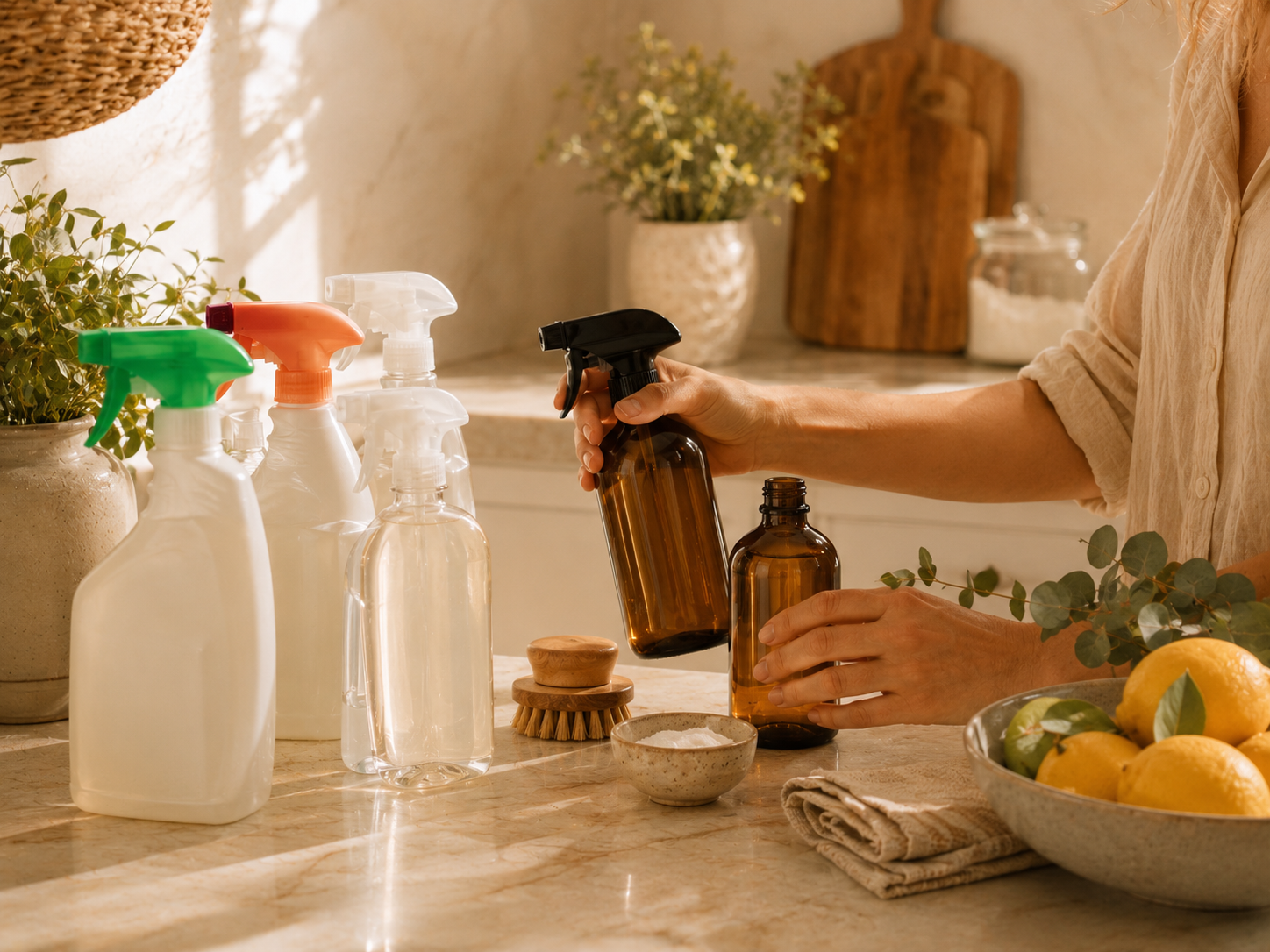
Maybe you learn to make a simple surface cleaner yourself.
Maybe you begin questioning why your moisturiser needs to smell like perfume.
You do not need to throw everything in the bin tomorrow.
You begin where you are.
One bottle. One product. One cupboard. One decision at a time.
And that is exactly why I am so excited about a very special weekend coming to Heartland Meadows Retreat.
The Pure Living Project: Ritual, Reset & Radiance
From Friday 28 August to Sunday 30 August 2026, Brooke Bird will be leading The Pure Living Project: Ritual, Reset & Radiance at Heartland Meadows Retreat.
What I love about Brooke’s approach is that she does not teach low-tox living from a place of fear.
She lives it.
She understands it.
And she makes it practical.
This weekend is not about spending three days hearing everything that might be wrong with the products in your home and then leaving overwhelmed.
It is about learning what you can do instead.
You will make things.
You will experiment.
You will learn.
And you will take those skills home.
Green Cleaning
We will look at the products we routinely use in our homes, understand more about what is in them and make simple alternatives ourselves.
You will take home the products you create, along with the recipes, so you can continue making them long after the retreat.
No-Tox Beauty
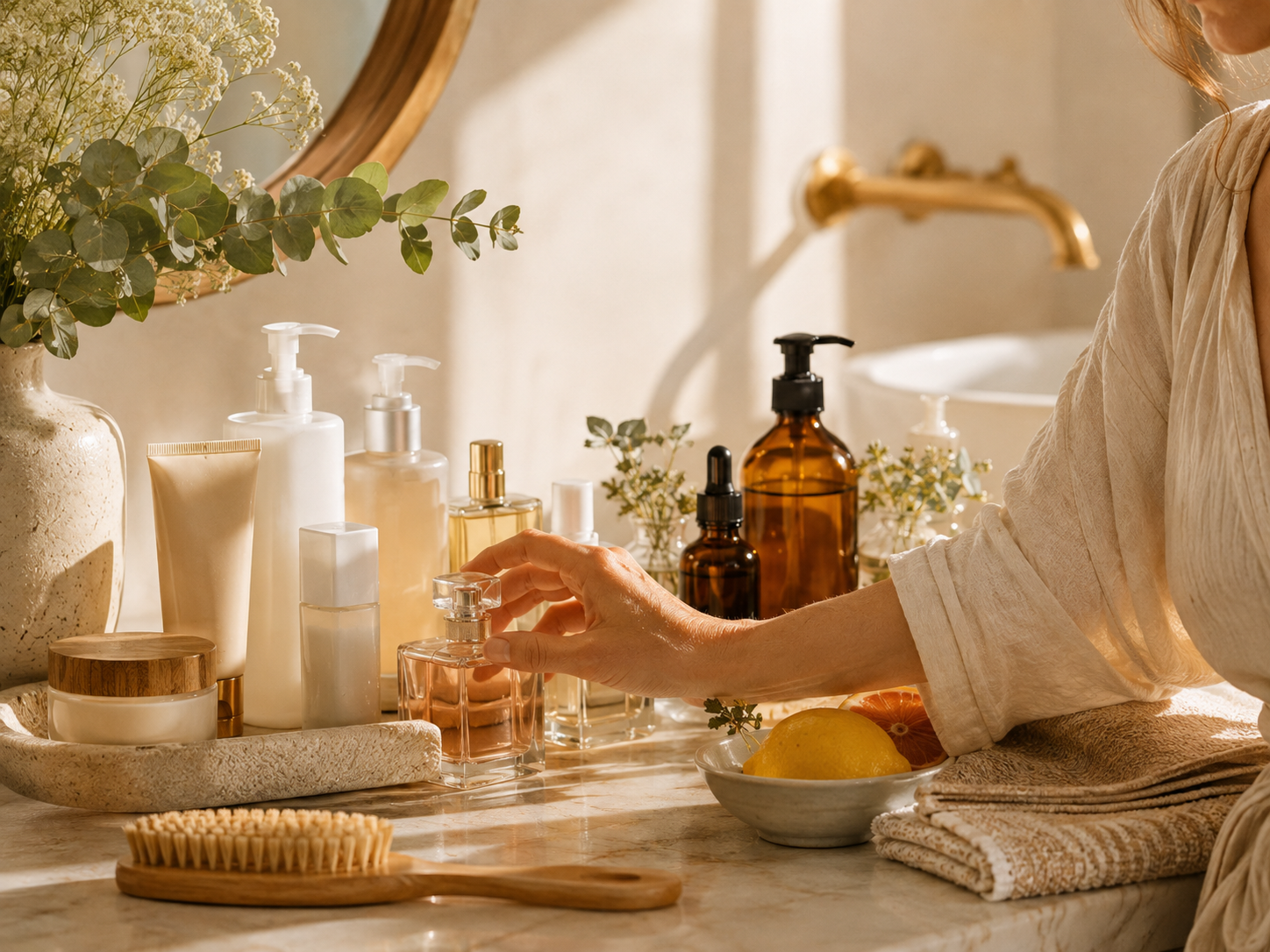
We will look inside the bathroom cupboard.
What are we putting onto our bodies?
What should we look for?
What are endocrine disruptors?
And how can we simplify our products without giving up the beautiful rituals of caring for ourselves?
PureFume
Brooke calls it PureFume – a way of exploring fragrance without simply accepting whatever comes in a conventional bottle.
You will create your own personalised natural perfume, make a crystal bracelet infused with intention, and explore scent both physiologically and energetically.
It is where education meets ritual.
Healthy Treats
Because conscious living should still feel joyful.
We will also make beautiful, nourishing treats that you can recreate at home, with all recipes provided.
And there will be plenty of time to exhale
This is Heartland Meadows, after all.
Brooke will lead an immersive sound bath, and you will have time to enjoy our magnesium pool, infrared sauna, beautiful food, nature, your own spacious private bedroom and the company of women who are curious about living a little more consciously.
This weekend is not about perfection.
It is not about fear.
It is about agency.
There are many things affecting our health that we cannot control.
But there are also products sitting underneath our kitchen sink, in our laundry and inside our bathroom cupboard that we absolutely can choose differently.
Perhaps low-tox living is ultimately not about toxins at all.
Perhaps it is about paying attention.
Paying attention to what comes into our homes.
What touches our skin.
What we breathe.
And what we have simply accepted because everybody else uses it too.
Then asking:
Now that I know more, what do I want to choose?
You do not have to change everything.
You simply have to start looking.